The history of champagne
Two thousand years of vines, a few monks, some daring widows and a bubble that became a symbol of celebration.
From Roman vineyards to the coronations of Reims
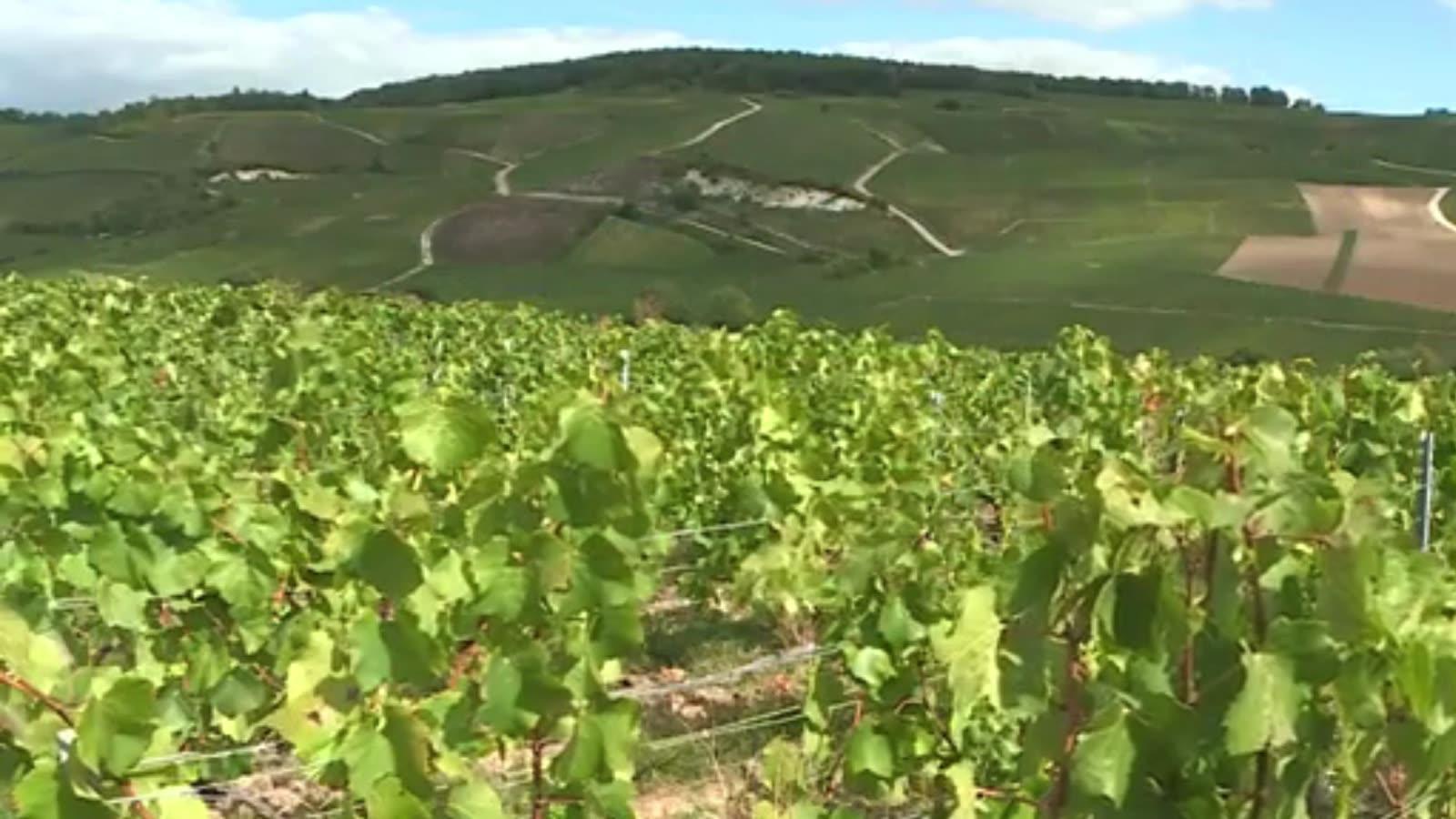
It was the Romans who introduced vines to northern Gaul, in the 1st century AD. In the Middle Ages, abbeys tended the vineyards, and the prestige of Reims, where the kings of France were crowned, made the region's wines known far beyond Champagne. The great Champagne fairs then opened up markets across Europe.
At that time, there was no talk of bubbles yet: Champagne wines were still wines, often red or "grey", meaning very pale. People then distinguished between "mountain wines" from around Reims and "river wines" from the Marne hillsides, such as those of Cumières, Hautvillers and Aÿ.
A bubble born of the cold
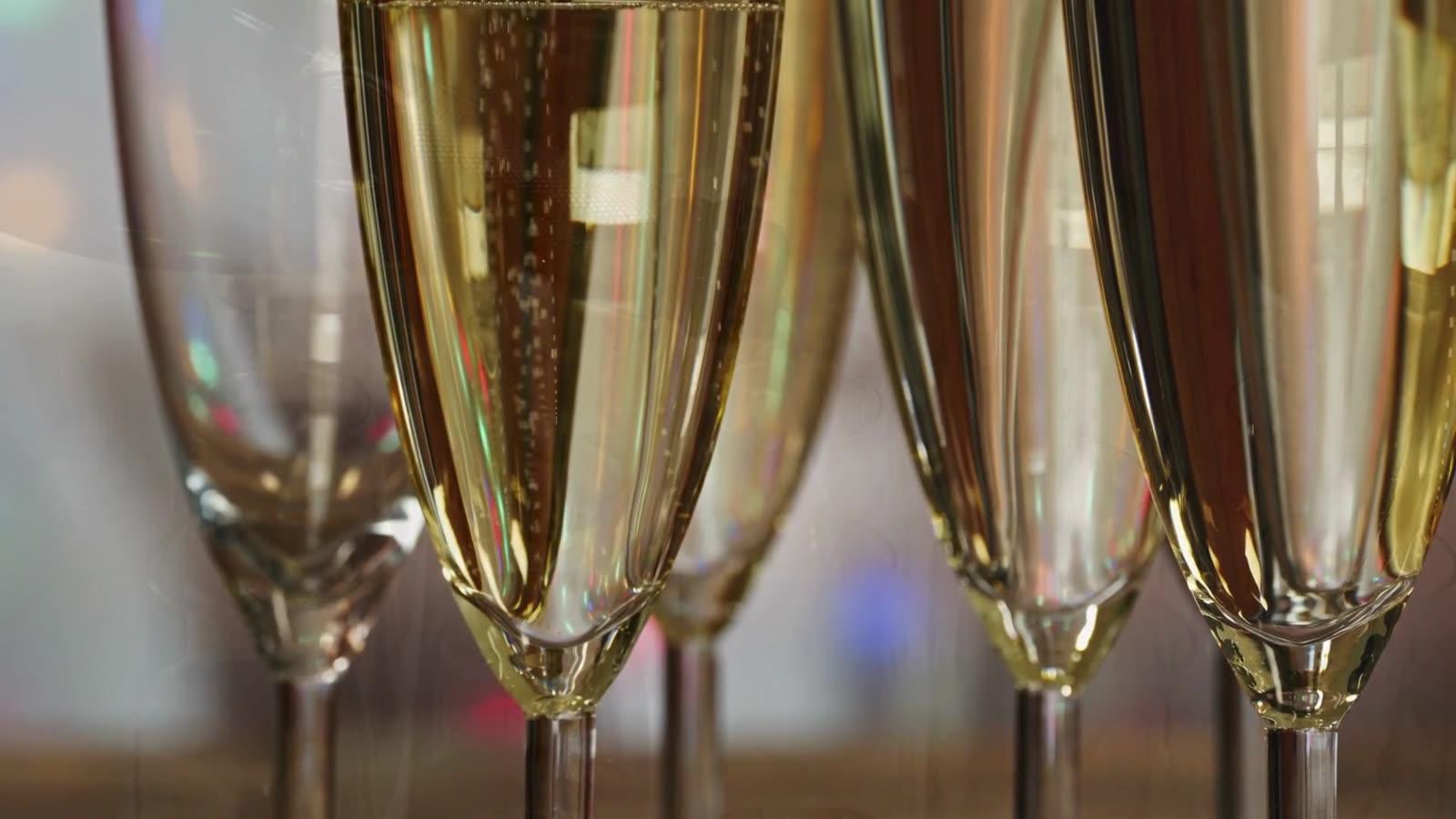
The Champagne climate is cool: in autumn, the cold stops fermentation before all the sugars have been converted. In spring, as temperatures rise, fermentation resumes in the barrels or bottles. The wine becomes sparkling… often to the dismay of winemakers, who at first saw it as a fault, and whose bottles exploded.
It was partly the English who developed a taste for these sparkling wines: they had stronger glass bottles and cork stoppers. In 1662, the English scientist Christopher Merret was already describing the addition of sugar to make a wine sparkle.
Dom Pérignon, the monk of Hautvillers
Pierre Pérignon (1638-1715) became cellarer of the Abbey of Hautvillers, just above Cumières, in 1668. For nearly half a century, he improved vine growing, pressing and above all the art of blending, mixing grapes from different plots. He is often credited with "inventing" champagne: the reality is more nuanced, but his role in the quality and reputation of the region's wines is recognised. Read our page on Hautvillers and Dom Pérignon.
The birth of the great houses
In 1728, a royal decree authorised the transport of wine in bottles: the champagne trade could develop. The very next year, in 1729, Nicolas Ruinart founded the first known champagne house. Moët followed in 1743, Clicquot in 1772, and many others.
In the early 19th century, Barbe-Nicole Ponsardin, the famous "Veuve Clicquot", advanced the technique: we owe her the riddling table, around 1816, which made it possible to obtain a clear wine, and one of the first rosé champagnes made by blending white and red wine, in 1818.
Crises and protection of the appellation
- Late 19th century: phylloxera, a tiny aphid from America, devastated the vineyard, which had to be replanted on American rootstocks.
- 1911: the revolt of the Champagne winemakers, protesting against the use of grapes from other regions.
- 1927: the law precisely defines the champagne production area.
- 1936: champagne becomes a protected designation of origin (AOC).
- 1941: creation of the interprofessional body, today the Comité Champagne, bringing together winemakers and houses.
- 2015: the "Champagne Hillsides, Houses and Cellars" are listed as a UNESCO World Heritage Site, starting with the hillsides of Cumières.
Sources: Comité Champagne; Mission Coteaux, Maisons et Caves de Champagne – World Heritage; World History Encyclopedia.
Read also
Experience Champagne from the water
Board in Cumières, at the foot of Hautvillers, for a commented cruise, a lunch or a dinner on the Marne.