Home · Discover Champagne · How it's made
Know-howHow champagne is made
From grape to bubble, know-how handed down from generation to generation.
Champagne is a sparkling wine produced exclusively within the Champagne protected designation of origin. Its bubbles are no accident: they come from a second fermentation in the bottle, at the end of long work by the winemaker and the cellar master.
The main steps
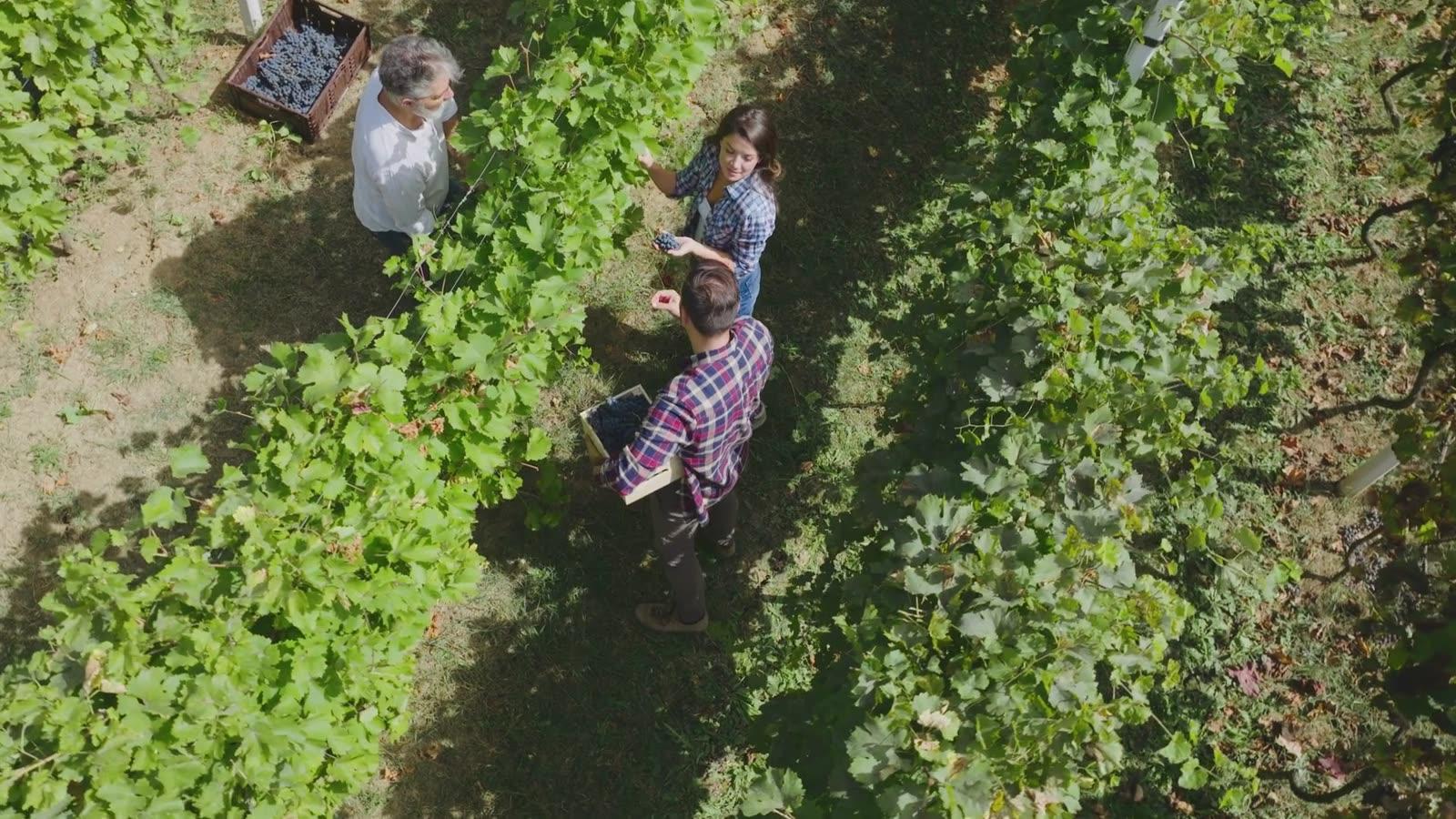
- The harvestIn Champagne, the harvest is 100% by hand. It lasts two to three weeks at the end of summer; the grapes are picked as whole bunches to preserve the juice. Thanks to its south-facing hillsides, Cumières, our boarding village, is among the very first villages in Champagne allowed to start harvesting each year.
- PressingThe bunches are pressed gently and without delay, to obtain a clear juice, even from black grapes.
- The first fermentationThe juice becomes a still wine, that is, without bubbles, called "vin clair" (base wine).
- BlendingThe cellar master blends wines from different grape varieties, villages and sometimes years to create the style of the house or the cuvée.
- Bottling and the second fermentationA liqueur de tirage (sugar and yeast) is added to the wine before bottling. A second fermentation takes place in the sealed bottle: this is what creates the bubbles.
- Ageing on the leesThe bottles rest in the cellar: at least 15 months for a non-vintage champagne and 36 months for a vintage, often much longer.
- RiddlingThe bottles are gradually tilted neck-down to gather the yeast deposit in the neck.
- Disgorging and dosageThe deposit is expelled, then the bottle is topped up with the liqueur d'expédition. Its sugar content determines the style: brut nature, extra-brut, brut, demi-sec…

The appellation in figures
- About 34,200 hectares of vines, spread across 319 crus (villages)
- Some 16,200 winemakers, 370 houses and 130 cooperatives
- An appellation recognised as early as 1936
- "Hillsides, Houses and Cellars" listed as a UNESCO World Heritage Site since 4 July 2015
Figures: Comité Champagne, 2023 database.
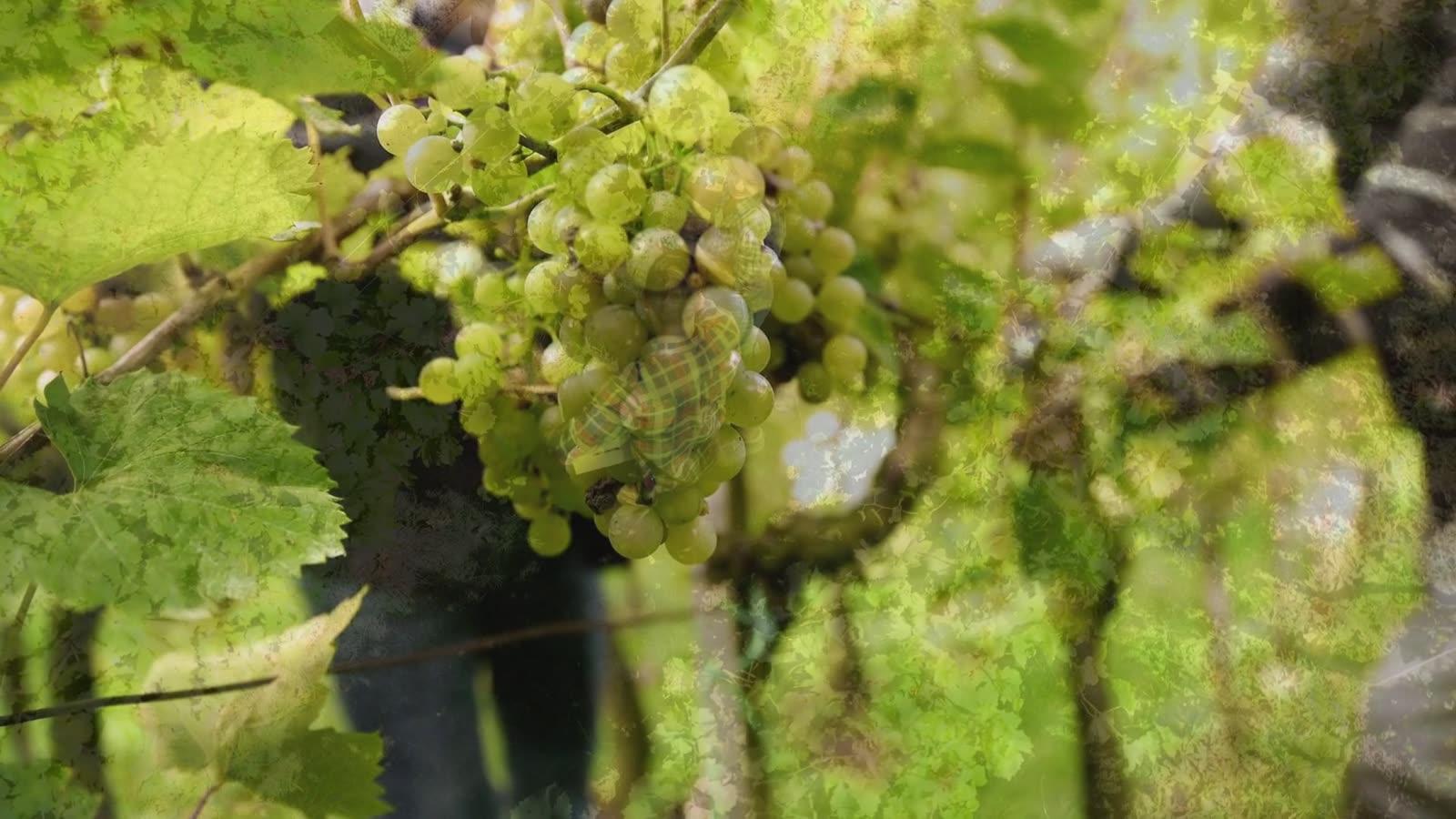
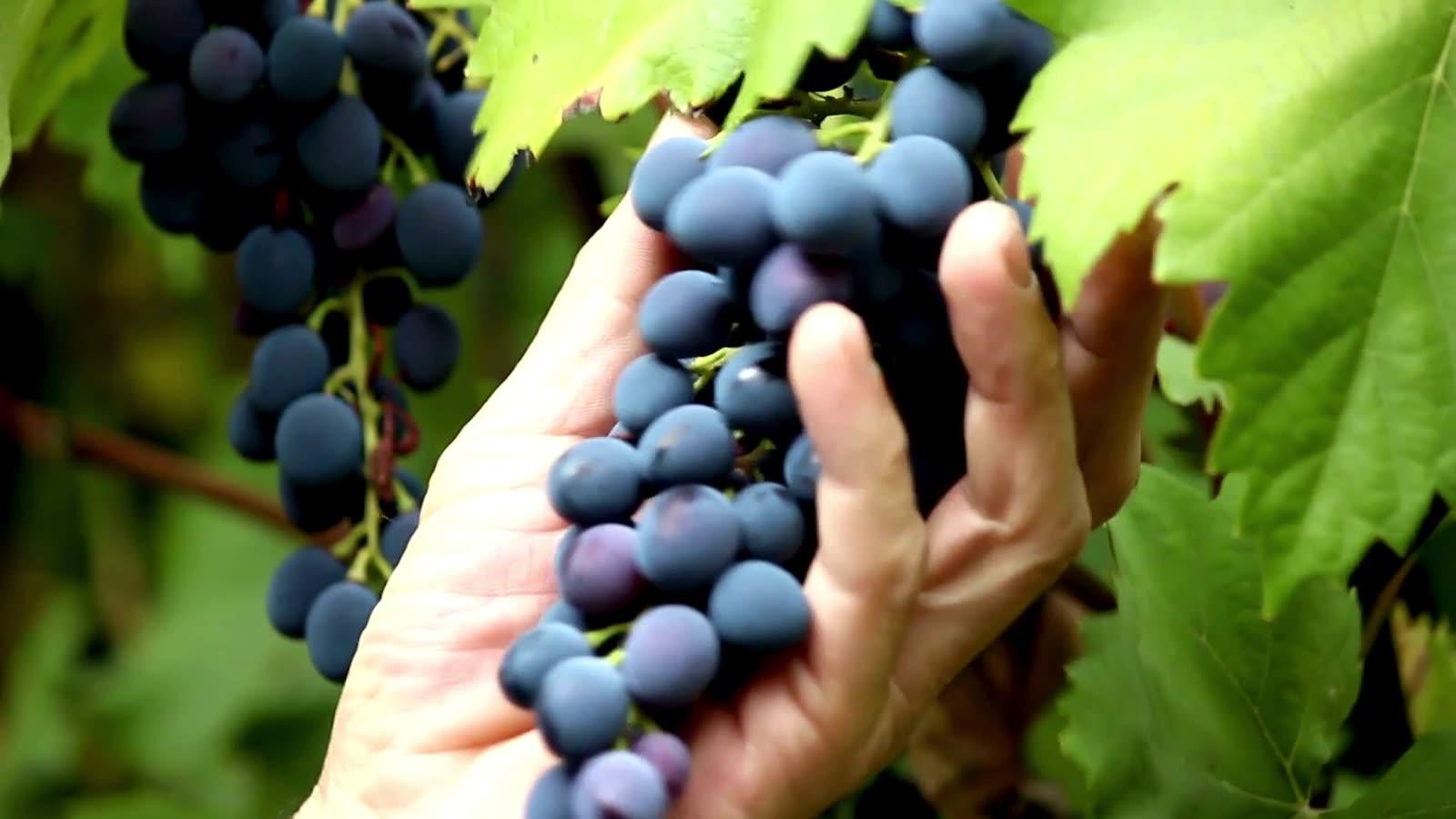
And from the Marne?The hillsides you sail past are planted with pinot noir, meunier and chardonnay, the grapes that will become tomorrow's champagne. See our cruises from Cumières.
Read also
Champagne grape varieties
Read more →
The champagne glossary
Read more →
The terroirs of Champagne
Read more →
Photo credits: Tomas er (CC BY-SA 3.0), via Wikimedia Commons.
Experience Champagne from the water
Board in Cumières, at the foot of Hautvillers, for a commented cruise, a lunch or a dinner on the Marne.